

French Bread: Types, Uses, and Hosting Tips
- ThinkOFood .com
- Mar 12
- 7 min read

French Bread in Toronto & the GTA most commonly means a crisp-crusted, wheat-based loaf such as a baguette or bâtard, baked to develop a thin, crackly crust and an airy crumb. The best French Bread for entertaining depends on the menu: baguettes for slicing and crostini, boules for sharing, and pain de campagne-style loaves for hearty spreads. For events, buy it as fresh as possible and plan how you’ll serve it so it stays crisp.
Main Takeaways
“French Bread” usually refers to lean dough bread (flour, water, salt, yeast) with a crisp crust and open crumb.
A baguette is ideal for canapés and crostini because it slices evenly and toasts quickly.
A boule or bâtard is better for table service because it stays moist longer after cutting.
Steam in the oven is a major driver of French Bread crust quality.
For peak texture, serve French Bread within a few hours of baking, then refresh leftovers in a hot oven.
Salt level and fermentation time affect flavour more than most home bakers realize.
For dinner parties, match the bread shape to the service style (passed bites vs. family-style).
French Bread
French Bread is less a single recipe and more a family of breads defined by a “lean” dough and a focus on crust and crumb. Unlike enriched breads (think brioche) that include butter, eggs, or sugar, classic French-style loaves rely on technique, fermentation, shaping, and baking conditions to create flavour and structure.
In practical terms, French Bread is what many hosts want for entertaining: crisp on the outside, light inside, and neutral enough to work with everything from olive oil to rich sauces.
What makes French Bread “French”
French Bread typically shares these characteristics:
Lean ingredient list: flour, water, salt, yeast (sometimes a preferment)
High hydration (often): supports an open, airy crumb
Strong crust development: achieved through high heat and steam
Fermentation-driven flavour: time is a key ingredient
If you’re planning a dinner party, this matters because the bread’s structure determines how it performs: whether it holds a spread, soaks up sauce, or stays crisp on a board.
The main types of French Bread (and what each is best for)
Most people use “French Bread” to describe a baguette, but there are several common shapes and styles. Choosing the right one is a simple way to make your table feel more intentional.
Baguette
Best for: crostini, canapés, charcuterie boards, soup-and-salad nights
A baguette’s long shape makes portioning easy. It also toasts quickly, which is useful if you’re building appetizers for a group.
Hosting tip: If you’re serving dips or spreads, slice on a slight bias for a larger surface area.
Bâtard
Best for: table bread, sandwiches, serving alongside mains
A bâtard is essentially a “short baguette” shape, thicker and often easier to keep moist once cut.
Hosting tip: For plated dinners, a bâtard is often the most practical: fewer crumbs, fewer shattered slices, and a better balance of crust-to-crumb.
Boule
Best for: family-style meals, sharing, rustic presentations
Boules hold heat well and look great on the table. They’re also forgiving if you need the bread to sit for a bit before serving.
Hosting tip: Pre-slice partially (not all the way through) if you want guests to pull pieces without the loaf going stale too fast.
Pain de campagne (country-style French loaf)
Best for: pâtés, roasted meats, hearty spreads, longer events
Often made with a preferment and sometimes mixed flours, this style tends to have a deeper flavour and keeps well.
Hosting tip: If you’re hosting a longer gathering like a birthday or holiday open house this is a smart choice because it stays enjoyable even after sitting out.
How French Bread is made: the few steps that matter most
You don’t need to be a baker to understand what drives quality. These are the levers that most affect the final loaf.
Fermentation: where flavour comes from
Longer fermentation (including cold fermentation) generally improves flavour and texture. It also makes the crumb more extensible and the crust more aromatic.
What to look for when buying: a loaf with a slightly nutty, wheaty aroma, not just “hot bread” smell.
Shaping and surface tension
Good shaping creates a loaf that rises predictably and bakes evenly. Poor shaping often leads to dense zones or uneven holes.
What to look for: consistent shape, clean scoring, and a loaf that feels light for its size.
Steam and high heat
Steam delays crust setting early in the bake, letting the loaf expand (oven spring). It also contributes to that thin, crisp crust people associate with French Bread.
At home, a preheated Dutch oven is one of the simplest ways to mimic a steam-injected oven.
How to choose French Bread for an event menu
For hosting, French Bread is not just “a side.” It’s part of the service plan. Choose based on how guests will eat.
If you’re serving passed appetizers
Choose a baguette for crostini and canapé bases. It gives you predictable slices and fast toasting.
If you’re serving a plated dinner
Choose a bâtard or boule. They stay pleasant longer after cutting and feel more substantial alongside a main course.
If you’re building a charcuterie board
Use two breads:
Baguette for crisp slices
Pain de campagne (or a rustic boule) for richer spreads
This mix prevents the “one bread does everything” problem, where half the board feels mismatched.
Serving French Bread well: timing, temperature, and cutting
French Bread quality drops fastest after it’s cut. The goal is to keep the crust crisp and the crumb tender.
Timing: when to buy and when to slice
Buy as close to service as possible (same day is ideal).
Slice at the last responsible moment, especially for baguettes.
If you must pre-slice, store slices in a paper bag and refresh briefly in the oven.
How to warm French Bread without drying it out
Whole loaf: 6–10 minutes at 375–400°F
Slices for crostini: toast lightly, then finish with toppings close to service
Avoid microwaving; it softens the crust and creates a rubbery crumb.
Cutting: reduce crumbs and improve presentation
Use a serrated knife and a stable board.
For baguettes, slice on a slight diagonal.
For boules, cut into quarters first, then slice each quarter.
Storage and leftovers: keeping French Bread enjoyable
French Bread is best fresh, but leftovers can still be excellent if you store and refresh correctly.
The best way to store French Bread
Day 1: room temperature, loosely wrapped in paper or a breathable bag
Day 2+: freeze (whole or sliced)
Avoid sealing fresh French Bread in plastic at room temperature; it traps moisture and softens the crust.
How to refresh day-old French Bread
Lightly mist the crust with water.
Bake 8–12 minutes at 400°F.
This re-crisps the crust and revives aroma.
Smart uses for leftovers
Crostini and croutons
Panzanella (bread salad)
Bread crumbs for coating or topping
French toast (yes, even lean bread can work with the right soak)
French Bread pairings that feel “chef-level” without being fussy
French Bread shines when you pair it with high-contrast flavours and textures.
Simple spreads that work for most guests
Good olive oil + flaky salt
Whipped butter + lemon zest
Roasted garlic purée
Labneh or strained yogurt with herbs
Dinner-party pairings
Baguette + steak au poivre sauce (for mopping)
Boule + slow-braised dishes
Pain de campagne + pâté, roasted mushrooms, or rich stews
Dietary accommodations to keep in mind
If you’re hosting in Toronto & the GTA, dietary needs are common and worth planning for:
Gluten-free: offer a separate GF bread option and separate serving utensil
Nut allergies: avoid pesto-style spreads unless clearly labelled
Vegetarian: include at least one plant-forward spread
These small steps prevent cross-contact and make guests feel considered.
Hosting in Toronto & the GTA: how bread fits premium service
For private events, bread is part of the guest experience: it sets the tone early and supports the meal throughout.
At ThinkOFood, we plan bread the same way we plan the menu based on the event style, timing, and dietary needs. Chef Andrey Kravchenko’s international culinary background (Mediterranean, Middle Eastern, and South American influences) often shows up in how bread is served: with bright herb oils, roasted vegetables, or shareable boards that feel restaurant-level but still relaxed.
When a private chef makes the biggest difference
A private chef is most valuable when you want:
Custom menus that match your guests and your kitchen
Full-service execution (setup → service → cleanup)
A smooth experience for dinner parties, birthdays, anniversaries, holidays, and corporate gatherings
This is especially helpful in Toronto & the GTA, where timing and logistics can be tight, and in Muskoka or Haliburton, where cottage kitchens vary widely.
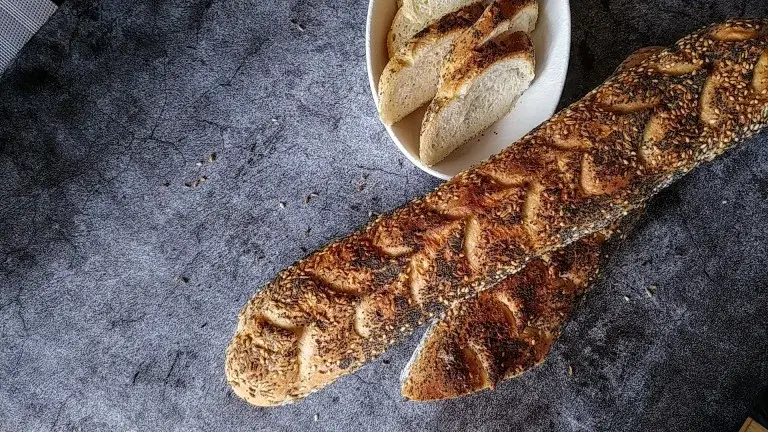
A practical example: French Bread as an appetizer plan
Instead of “bread on the table,” consider:
A baguette-based crostini trio (one vegetarian, one seafood or meat, one dairy-free)
A rustic boule for sharing with olive oil and herbs
It feels elevated, it’s easy for guests, and it supports a premium flow without overwhelming the menu.
Common French Bread mistakes (and how to avoid them)
Buying too early: bread goes stale quickly; plan pickup close to service.
Slicing everything at once: slice in batches to keep texture.
Serving cold, dense bread: refresh briefly in the oven.
One bread for every use: match shape to purpose.
Ignoring dietary needs: provide a safe alternative and separate utensils.
French Bread is a small detail that guests remember
French Bread is one of the simplest ways to make a meal feel complete, especially when it’s chosen intentionally and served at its peak. Pick the right style for your menu, time it well, and treat it like part of the experience, not an afterthought.
[FAQ]
What is French Bread?
French Bread usually refers to lean-dough loaves like baguettes, bâtards, and boules with a crisp crust and airy crumb.
Is a baguette the same as French Bread?
A baguette is a type of French Bread, but “French Bread” can also include boules, bâtards, and country-style loaves.
Why does French Bread get stale so fast?
Lean breads lose moisture quickly and the crust softens as the crumb dries; it’s normal and can be improved by refreshing in the oven.
How do I refresh French Bread at home?
Mist the crust lightly with water and bake at about 400°F for 8–12 minutes to restore crust and aroma.
What’s the best French Bread for a dinner party?
A bâtard or boule is often best for table service because it stays pleasant longer after cutting; baguettes are best for crostini.
Can French Bread be frozen?
Yes, freeze whole or sliced, then reheat in the oven for the best texture.
Do you accommodate gluten-free or other dietary needs?
Yes. ThinkOFood can plan menus around common needs like gluten-free, vegetarian, and nut allergies, with clear serving steps to reduce cross-contact.
Do you offer private chef and catering in Muskoka or Haliburton?
Yes. ThinkOFood serves Toronto & the GTA and can travel to cottage country (including Muskoka and Haliburton) depending on timing and logistics.
About ThinkOFood
ThinkOFood provides private chef and catering services across Toronto & the GTA, with select events in Muskoka and Haliburton. Chef Andrey Kravchenko has 15+ years of hospitality experience, international culinary training, and certifications, including Red Seal (Skilled Trades Ontario) and a Toronto Public Health Food Handler Certificate.
Why Trust This Guide, which plans and executes premium private events and understands how bread performs in real service.
Planning a dinner party, birthday, anniversary, holiday, or corporate gathering in Toronto & the GTA (or cottage country)? Reach out to ThinkOFood to discuss a custom menu and full-service private chef or catering support.


